ENT problems in winter and effective ways to protect yourself
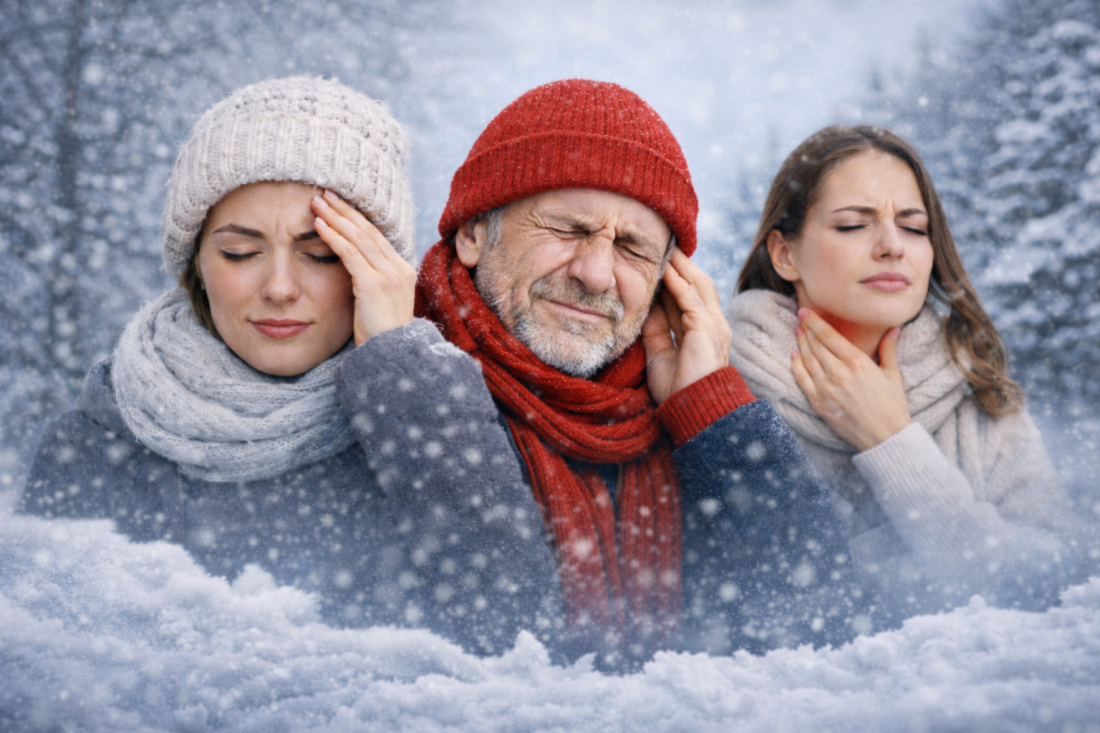
Winter is a period when the risk of ENT problems (ear, throat and nose diseases) increases significantly. Cold air, sharp temperature changes, dry indoor air and an active virus season negatively affect the respiratory mucosa, making the body more susceptible to infections.
In this article, we look at why ENT diseases in winter are so common, what the most frequent problems are and how simple preventive measures can reduce the risk of developing sinusitis, a sore throat or an ear infection.Why does the risk of ENT problems increase in winter?
Several unfavourable factors act simultaneously during the winter season:
- Cold, dry outdoor air irritates the mucous membranes of the nose and throat;
- The heating season makes indoor air even drier;
- Spending more time in enclosed spaces promotes the spread of viruses;
- Sharp temperature differences between outdoors and indoors place additional strain on the respiratory tract.
The most common ENT problems in winter
Sinusitis and inflammation of the sinuses
The typical symptoms are:
- Pressure-like pain in the forehead or cheek area;
- A blocked nose and discharge;
- Headache;
- Fatigue, sometimes also an elevated temperature.
Sore throat and hoarseness
Cold air outdoors and dry air indoors irritate the throat mucosa, creating favourable conditions for inflammation. As a result, a sore throat, a scratchy sensation, cough and hoarseness appear.The most common causes of throat problems in winter:
- Viral infections;
- Insufficient fluid intake;
- Dry indoor air;
- Overstrained vocal cords.
Ear inflammation and discomfort
Ear problems in winter often occur as a complication after a runny nose or sore throat, when the infection spreads to the middle ear through the nasopharynx. Cold wind and inadequate protection of the ears can intensify the discomfort.Typical symptoms:
- Ear pain;
- A feeling of pressure;
- Deterioration of hearing;
- Dizziness in rarer cases.
How to protect yourself from ENT problems in winter?
To reduce the risk of ENT problems in winter, regular prevention and everyday habits are essential.
Practical recommendations for maintaining ENT health
- Dress appropriately for the weather, remembering a hat and scarf, especially on windy days;
- Maintain optimal indoor humidity by using a humidifier or other simple solutions;
- Rinse your nose regularly with saline solution or seawater, especially after spending time in public places;
- Drink enough water and warm drinks to prevent the mucous membranes from drying out;
- Strengthen your immune system with a balanced diet, vitamin D and quality sleep;
- Wash your hands and avoid touching your face with dirty hands;
- Treat a runny nose in good time and do not let it develop into more serious complications.
When should you definitely see an ENT doctor?
Not all ENT problems go away on their own. Consultation with a specialist is recommended if:
- Symptoms persist for more than 7–10 days;
- Severe pain appears in the ears or facial area;
- There is a high temperature;
- Hearing deteriorates;
- Nasal discharge becomes yellow or green.
If ENT symptoms become bothersome or do not go away, it is important to see a specialist in good time. At FORTEMED Medical Centre, experienced otolaryngologists, are available to help diagnose and treat various ENT problems — from prolonged runny noses and sinusitis to throat and ear inflammation. An individual approach to every patient and modern diagnostic methods make it possible to identify the exact cause and develop an effective treatment plan so that the patient can regain good health as quickly as possible.
Other news